Christmas cooking does not have to mean stress, last-minute panics and juggling ten trays in the oven at once. With a bit of planning and a few clever shortcuts, you can enjoy the day, serve incredible food and still have time to sit down with a drink.
Here is a practical, butcher-approved guide to Christmas cooking hacks that actually make a difference.
1. Plan Once, Relax Later
Build your menu around your main joint
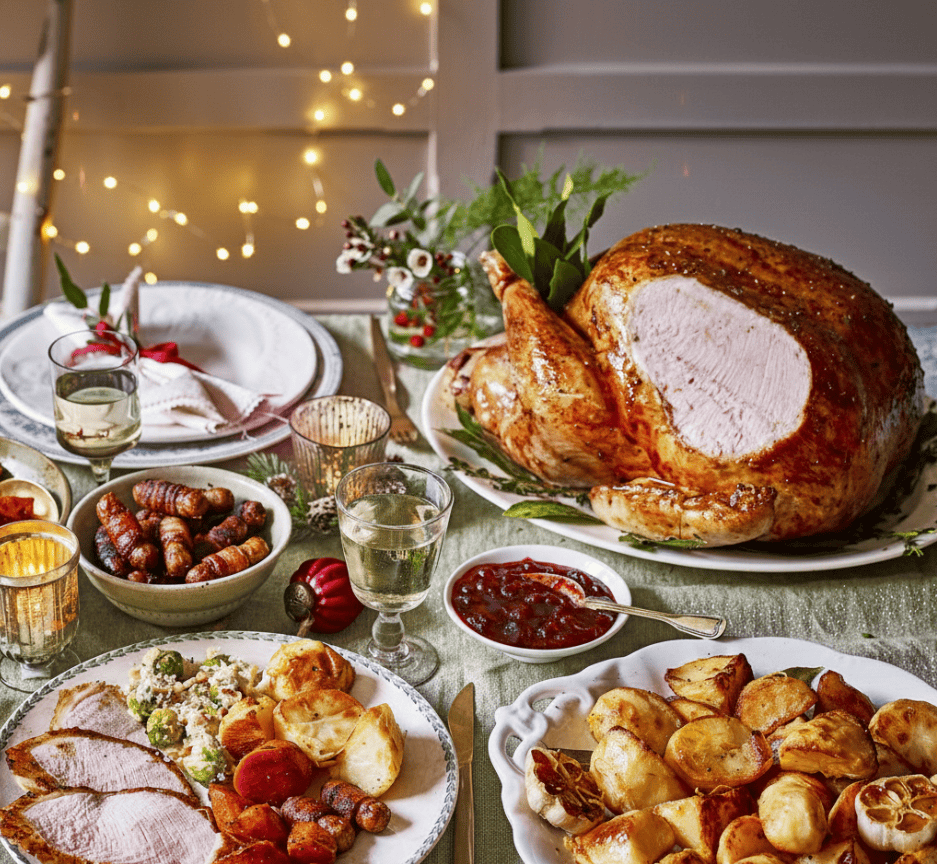
Start with the meat and plan everything else around it. Once you know whether you are cooking a whole turkey, beef joint, smoked gammon, leg of lamb or a mix, you can:
- Match the right sides (for example, goose fat roast potatoes with beef or lamb, lighter veg with turkey)
- Plan oven temperatures and timings properly
- Decide what can be cooked in advance and simply reheated
A quick chat at the butcher’s counter can help you choose the right size and cut for your family, which instantly removes a lot of guesswork.
Use the “3-course in 1 tray” mindset
Where possible, cook similar items together:
- Roast potatoes, parsnips and carrots on one large tray
- Pigs in blankets and stuffing balls on another
- Veg that needs less time (like sprouts) goes in later on its own tray
This makes timings simpler and reduces the number of things you need to keep track of.
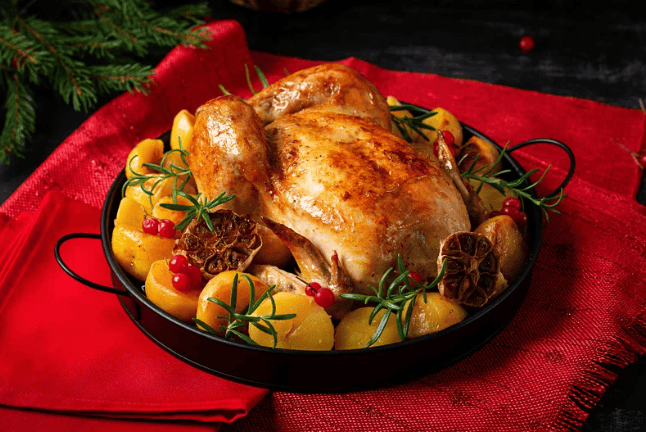
2. Get ahead: what to prep the day before
Dry-brine your turkey or main joint
Season your turkey, chicken or larger roasting joint with salt and your chosen herbs the day before and leave it uncovered in the fridge.
Benefits:
- The skin dries out slightly and crisps up better
- The seasoning has time to work into the meat
- You avoid a long, messy prep session on Christmas morning
Pat dry just before cooking, then brush with butter or oil.
Prep all your veg in one go
On Christmas Eve:
- Peel and chop potatoes, parsnips and carrots
- Store potatoes in cold water in the fridge to stop browning
- Prep sprouts, leeks and any other veg and store in containers
You can even parboil your potatoes and parsnips the night before, rough them up in the pan, then chill. On the day, simply tip them into hot fat and roast until crisp and golden.
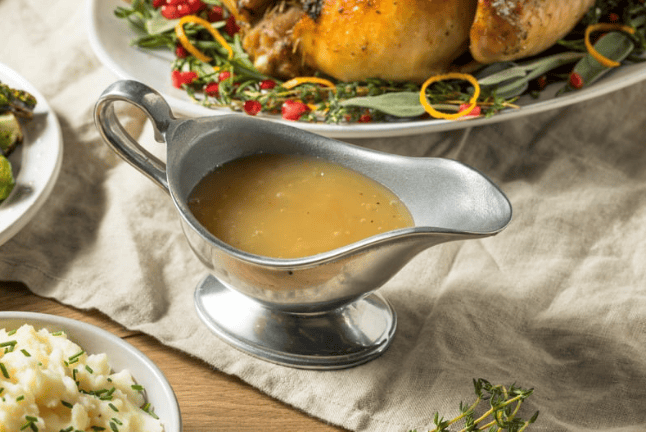
Make a “proper” gravy base in advance
Gravy is one of the easiest things to prepare ahead, and it makes a huge difference.
The day before:
- Roast chicken wings or a few roasting bones with onions, carrots and celery.
- Add stock or water, simmer and reduce.
- Strain and thicken with a simple roux or cornflour slurry.
On the day, you only need to whisk in the roasting juices from your turkey or beef to finish it.
3. Butcher’s guide to perfect roasting
Bring meat to room temperature
Take your joint out of the fridge around 45–60 minutes before cooking. This helps it cook more evenly and reduces the risk of a raw centre and overcooked edges.
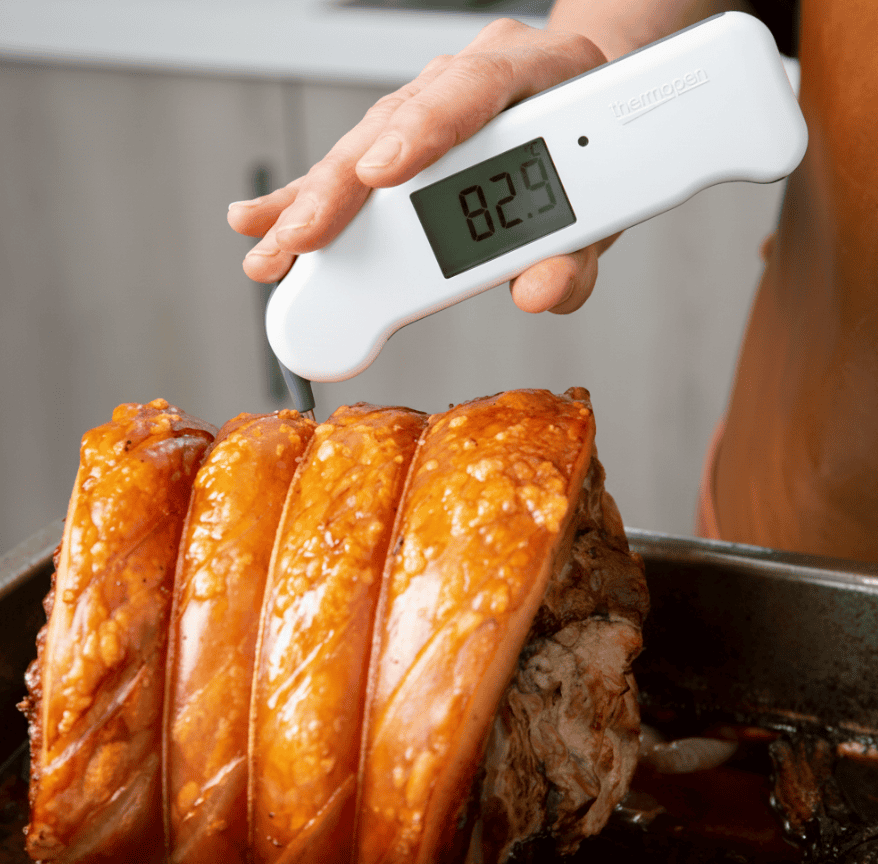
Use a meat thermometer, not guesswork
Oven dials are not always accurate, and every joint is different. A meat thermometer is one of the best Christmas investments you can make.
Rough internal temperature guides:
- Turkey / chicken: 74°C in the thickest part of the breast
- Beef (medium rare): 55–57°C, medium: 60–63°C
- Lamb (medium): 60–65°C
- Pork / gammon: 68–71°C
Once your joint hits target temperature, rest it well.
Resting is a non-negotiable hack
Resting is what turns “good” into “perfect.”
- Rest small joints for at least 15–20 minutes
- Rest large joints and turkeys for 30–60 minutes
Cover loosely with foil, then use that time to roast potatoes and finish sides in the oven. The meat will stay warm and become more tender and juicy.
4. Maximum flavour with minimum effort
Flavoured butter is your best friend
Mix softened butter with:
- Fresh herbs (thyme, rosemary, sage, parsley)
- Crushed garlic
- Lemon zest or orange zest
- Salt and pepper
You can:
- Rub it under and over turkey skin
- Spread it over beef or lamb joints
- Dot it on top of veg before roasting
This simple hack adds richness and helps with browning.
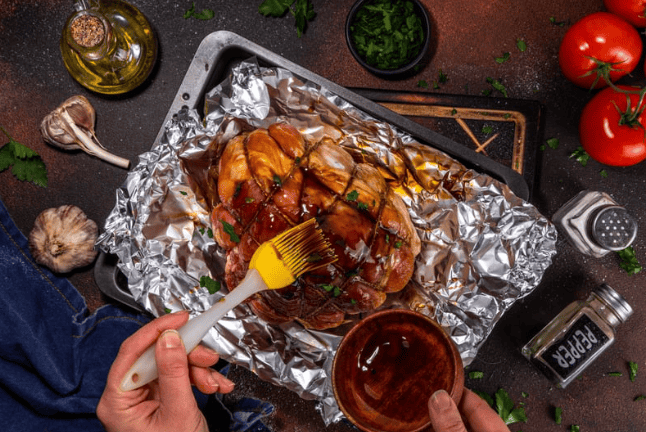
Glazes that make everything look festive
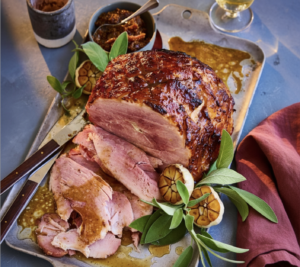
A quick glaze transforms unsmoked gammon, pigs in blankets or roasted veg.
Try combinations like:
- Honey, mustard and brown sugar
- Maple syrup, orange zest and Chinese five spice
- Cranberry sauce, balsamic vinegar and a little stock
Brush it on during the last 15–20 minutes of cooking so it does not burn.
5. Oven space and timing hacks
Spatchcock for faster poultry
If you are comfortable with a bit of prep, spatchcocking a turkey or chicken (removing the backbone and flattening it) can:
- Reduce cooking time
- Help everything cook more evenly
- Free up oven space sooner
It also gives you more golden, crispy skin.
Use your hob and slow cooker
Free the oven by moving some dishes elsewhere:
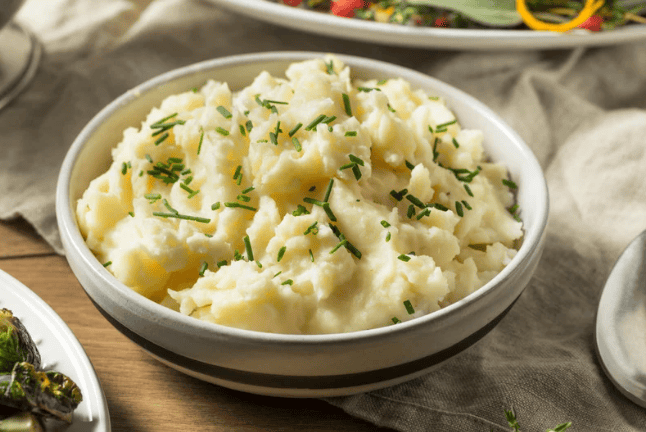
- Make braised red cabbage or carrot and swede mash on the hob
- Keep gravy warm in a small pan on low
- Use a slow cooker for pulled pork, braised beef or extra gravy
This leaves your oven for the main event and crispy sides.
6. Smart shortcuts from your butcher
You do not have to make every single element from scratch. Smart shortcuts keep the quality high without adding to your workload.
- Pre-made pigs in blankets: ready to pop onto a tray and roast
- Stuffing mix or sausage meat: shape into balls or use for a stuffing loaf
- Prepared roasting joints: tied, seasoned and ready for the oven
- Seasonal specials: such as festive burgers, flavoured sausages or stuffed poultry
These little helpers often taste better than supermarket equivalents and save a huge amount of time.

7. Leftover hacks you will look forward to
Christmas leftovers can be even more exciting than the main event if you plan for them.
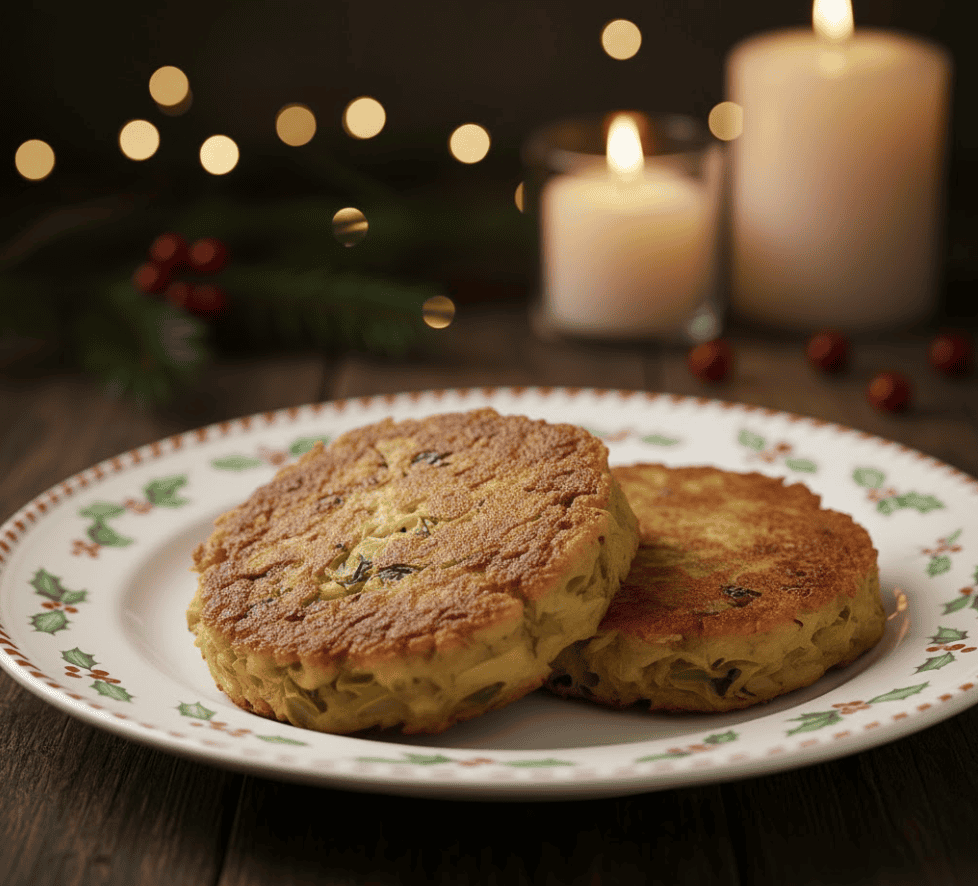
Bubble and squeak
Use up roast potatoes, sprouts, carrots and any extra veg:
- Chop everything roughly.
- Fry in a little oil or dripping until crisp on the outside.
- Serve with cold meats, a fried egg or leftover gravy.
Festive pies and pasties
Combine:
- Leftover turkey, gammon or beef
- Leftover veg
- A little gravy or white sauce
Pile into a pie dish or wrap in pastry for pasties. Bake until golden for an easy second-day feast.
Camembert stuffed yorkshire puddings
- Take pre-made Yorkshire puddings and add a small chunk of Camembert to the centre of each one.
- Tuck in a piece of pig in blanket and finish with a little cranberry sauce or honey on top.
- Air fry or bake at 180°C for about 8 minutes, until the cheese is gooey and the pigs in blankets are sizzling.
Sprinkle with fresh rosemary before serving. These Camembert stuffed Yorkshire puddings are an easy way to turn leftovers into something that feels brand new, and they are perfect for buffets, party platters or a cosy Boxing Day snack.

8. Food safety and storage basics
A few simple rules keep everyone safe and reduce waste:
- Cool leftovers quickly and store in the fridge within 2 hours
- Eat refrigerated leftovers within 2–3 days
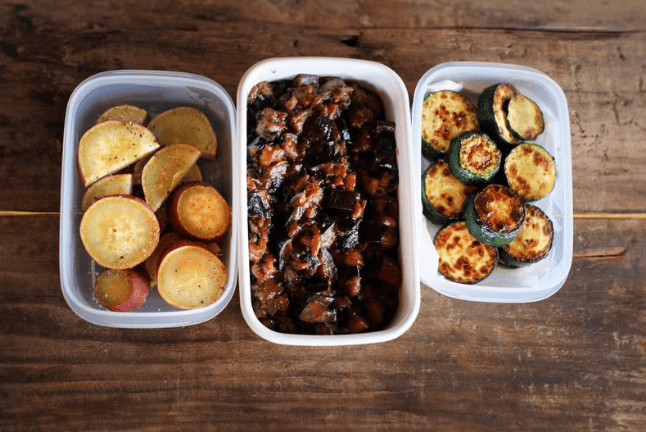
- Freeze cooked meats in portions, well wrapped and labelled
- Reheat until piping hot all the way through, only once
Label containers with the date so you know what to use first.
9. Your simple Christmas cooking checklist
To bring it all together, here is a quick checklist you can follow:
- Choose your main joints and talk to your butcher about size and timing
- Plan a simple menu, including sides and leftovers ideas
- Shop with a list to avoid extra trips
- Prepare veg, gravy and flavoured butters the day before
- Use a meat thermometer and rest your joints properly
- Make the most of smart butcher shortcuts
- Turn leftovers into pies, bubble and squeak or loaded yorkshires
With these Christmas cooking hacks, you can spend less time worrying in the kitchen and more time enjoying the people around your table, while still serving food that everyone remembers for the right reasons.
10. Write a simple Christmas Day cooking timetable
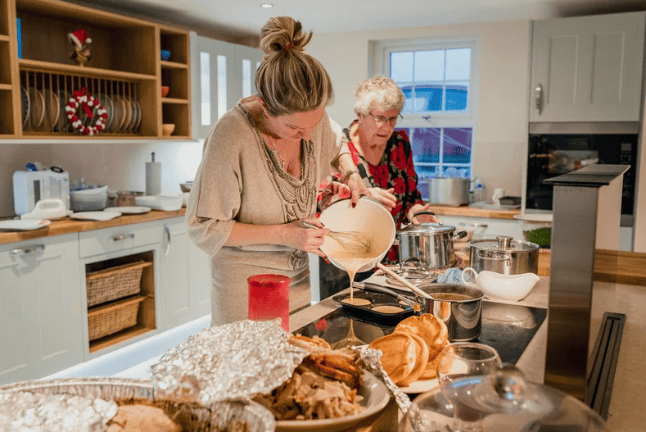
One of the most powerful Christmas cooking hacks is also the simplest: write everything down. A clear timetable means you are never guessing what should be in the oven or on the hob.
- Start by noting when you want to eat.
- Work backwards to add:
- When the meat needs to go in the oven
- When it should come out to rest
- When potatoes and veg need to go into roast or boil
- When you will reheat gravy, stuffing and pigs in blankets
Keep the timetable on the fridge or your phone and tick things off as you go. If you are unsure about roasting times per kilo, ask your butcher when you buy your joint and plug those timings straight into your plan. It takes 5 minutes to prepare and can remove hours of stress on the day.
Make Christmas Cooking Stress-Free with Owton’s Butchers
With a bit of planning and a few smart shortcuts, Christmas cooking can feel calm, enjoyable and full of flavour. If you would like help choosing the right joint, working out timings or planning your festive menu, pop into Owton’s or get in touch with the team and we will happily guide you through everything you need for a stress-free Christmas feast.
About the Author.

R Owton Wholesale Butchers
Traditional Family ButchersThe Owton family have been farming the land at Chalcroft Farm for over 750 years, and in business since 1976, so you can be sure we have the experience, knowledge and expertise about all things meat! We specialise in butchering locally sourced and traceable meat, working with over 40 farmers within Hampshire and Dorset to offer some of the finest meat produce in the south.